Pinball Games


















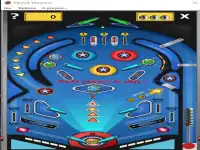



Find a table worth learning The Pinball collection brings together games built around bouncing balls, targets and well-timed returns. In a conventional table, flippers keep the ball moving through the playing field while collisions create scoring opportunities. The player does not directly steer every bounce. Instead, the challenge is reading the ball's approach and choosing an input that produces a useful contact when it reaches a controllable area. For a scoring-focused example, open FZ PinBall. It has separate flippers, a ball and table collisions…Learn moreLatest update
Find a table worth learning
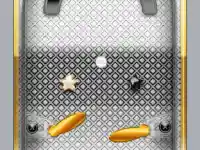
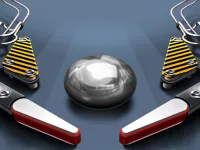
The Pinball collection brings together games built around bouncing balls, targets and well-timed returns. In a conventional table, flippers keep the ball moving through the playing field while collisions create scoring opportunities. The player does not directly steer every bounce. Instead, the challenge is reading the ball's approach and choosing an input that produces a useful contact when it reaches a controllable area.
For a scoring-focused example, open FZ PinBall. It has separate flippers, a ball and table collisions that award points. Begin by locating the left and right control buttons and observing which flipper each operates. Watch a complete journey through the table before trying to aim at one exact target. Knowing where the ball returns is essential to keeping the run active.
Pay attention to the lower approach
The upper table can be visually busy, but the next important decision often occurs close to the flippers. Follow the ball after a bumper or wall changes its direction. Is it arriving on the left, on the right or toward the middle gap? Is the approach slow and nearly vertical, or fast and diagonal? These differences determine which control is relevant and how much time you have to use it.
Practice pressing and releasing a flipper rather than holding both controls throughout the run. A moving flipper and an already raised one can meet an incoming ball differently. Observing the result helps you connect timing with the outgoing path. Continuous double pressing may occasionally rescue a ball, but it can hide which input actually made the useful contact.
Compare outcomes from similar incoming paths
When practicing aim, compare reasonably similar approaches. A small change in timing is easier to understand when the ball arrives at a similar angle and speed. If several factors change together, the result tells you less about the input. Start with a broad upper region as a target, then refine the shot only after you recognize contacts that send the ball in that direction.
Separate a scoring opportunity from a rescue. A controlled approach may let you aim, while a dangerous descent may make simple survival the sensible goal. A safe return provides further chances to score. Do not reject it merely because it missed a preferred target. Consider the next return path as well as the immediate points when evaluating whether a shot was useful.
Read the objective of each variant
Not every pinball-themed game uses the same table or victory condition. Some titles concentrate on score, while others add tasks, targets or level progression. Read the actual instructions before assuming a particular bonus, ball allowance or campaign exists. A decorative element is not proof of a scoring rule, and a football theme does not make every pinball game a football challenge.
Controls deserve the same attention. On-screen buttons can make the relevant actions clear, while keyboard mappings may differ between builds. Confirm the chosen game's response before relying on familiar keys. Make the game area readable and keep the controls accessible. If a viewing change alters the layout, take a moment to locate the buttons again before the ball approaches the lower edge.
Make each attempt teach one thing
A useful practice goal might be identifying the correct side for every return, releasing the flipper between contacts or repeating a shot toward one broad area. After a lost ball, remember the last controllable contact and the route it produced. That helps distinguish a late reaction from a risky earlier shot. Either can be a useful lesson, but they call for different adjustments.
The pinball timing and return guide develops this approach around FZ PinBall. Use it to turn repeated button presses into observations you can apply on the next attempt. The collection offers different tables to explore; patient attention to each table's own controls, targets and returns is what makes those differences enjoyable to learn.