Bus School Park Driver
Popular Games
Last Played
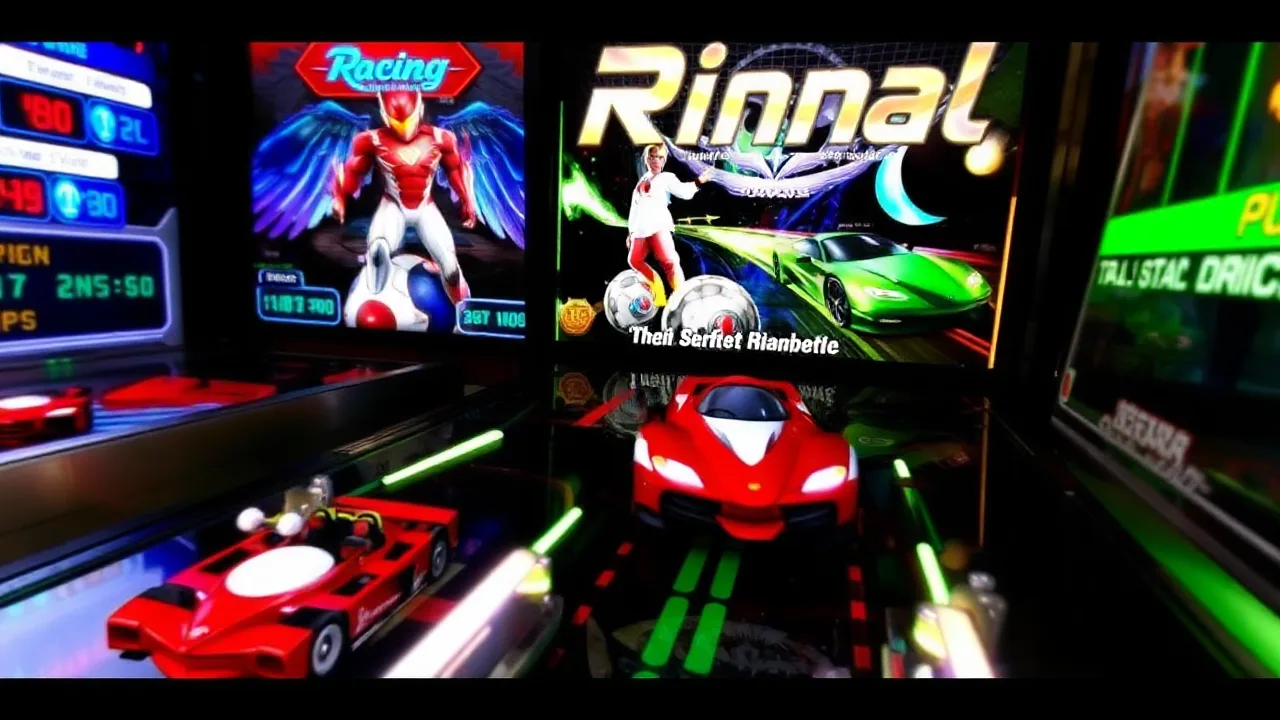
A pinball score grows through repeated contact with the table, but survival is decided near the flippers. The ball may spend several seconds bouncing among targets before returning to a position where one well-timed input matters. Learning to read that return is more useful than pressing both controls continuously and hoping every rebound stays favorable.
This guide focuses on FZ PinBall, a browser pinball game with a ball, bumpers, separate flippers and point-scoring collisions. Its table and controls give you a concrete place to practice timing and observation. Despite the old article's racing wording, the central task here is pinball: keep the ball active and improve your scoring opportunities through better returns.
At the start of a run, locate the flippers, the lowest escape area and the surfaces that send the ball back toward the playing field. Notice the difference between a target that awards points and an edge that merely redirects the ball. You do not need to memorize every collision immediately, but you should know which lower areas require your attention.
Follow the ball through one full journey from an upper rebound to the lower table. Watch how sharply its direction changes after contact. The next approach may not resemble the last one, especially when several objects are close together. Use the actual path rather than a fixed rhythm to decide when a flipper needs to move.
Use the game's left and right control buttons separately so that you can connect each input with the corresponding flipper. When a browser game provides on-screen controls, those controls are a safer starting point than assuming a keyboard mapping from another pinball title. Check the current game's help or visible button response before relying on additional keys.
Practice pressing and releasing a control instead of holding both down permanently. The movement of the flipper is part of the shot. A flipper that is already raised may meet an incoming ball differently from one moving upward at the instant of contact. Observe the difference on this table rather than treating the buttons as a general emergency shield.
A useful shot begins before the ball reaches the lower edge. Track its direction and estimate where it will cross the flipper's range. A ball approaching the inner tip offers a different contact point from one descending near the outer end. The angle and speed of approach both influence what happens after the hit.
Begin with broad distinctions. Is the ball traveling toward the left flipper, the right flipper or the gap between them? Is it dropping almost vertically or arriving diagonally after a wall rebound? These questions help you select the relevant control. Only after that decision should you refine the timing of the press.
If a return consistently sends the ball into an unhelpful area, adjust the input slightly earlier or later on a comparable approach. Changing several things at once makes it difficult to learn what caused the result. A small deliberate experiment is more informative than a series of frantic inputs whose effects you cannot separate.
Do not expect identical results from visibly different incoming paths. A fast diagonal ball and a slow nearly vertical one are different situations. Compare attempts only when the approach is reasonably similar. Your aim is to develop a sense of how this table responds, not to discover one universal moment that works for every bounce.
Sometimes you have enough control to aim toward an upper target. At other times the ball is already descending dangerously, and the sensible goal is simply to return it to the table. Recognizing the difference avoids ambitious attempts when the immediate position calls for survival.
A rescue that keeps the ball active can still be valuable even if it does not hit your preferred target. Conversely, a high-scoring rebound may be risky if it repeatedly sends the ball into a difficult lower path. Judge a shot by both its immediate reward and the kind of return it tends to produce. Extra play creates more opportunities to score later.
Pick one reachable area of the upper table and observe which flipper contacts send the ball toward it. Start with a broad region rather than a tiny exact target. Once you can repeat that direction occasionally, pay attention to the contact point and timing that preceded it. The useful knowledge is a relationship between an incoming path, an input and an outgoing path.
Do not invent a mission or bonus requirement simply because a table contains decorative objects. Watch which contacts increase the score, then connect those changes with the ball's route. Read any rules displayed by the current game before treating a visual feature as a separate objective. A target is easier to pursue when you understand what actually happens on contact.
Both flippers can be relevant when the ball is difficult to track, but pressing them together on every approach hides useful information. You may no longer notice which flipper made contact or whether the shot depended on timing. That makes the next attempt harder to improve, even if the current ball survives.
Try several returns using only the control that matches the ball's side. Release it after the contact, then follow the outgoing path. When the opposite flipper becomes relevant, switch your attention. This does not require perfect prediction. It simply makes the relationship between the control and the result easier to see.
A cluster of quick collisions can make the ball hard to follow. Reacquire its position before deciding on the next input. Look at the lower approach area rather than staring at the score display while the ball is still moving. The score records what has already happened; the ball's trajectory tells you what needs attention now.
Sound may help signal a contact, but visual tracking remains important because a sound alone does not identify the outgoing direction. If the game area is small, use the page's available viewing controls to make the table easier to read. Confirm that the controls remain accessible after changing the view, then return to observing the ball.
The Pinball collection brings together titles associated with bouncing balls and flippers, but their goals can differ. Some emphasize open-ended scoring, while others add level tasks or themed targets. Start each new game by identifying what ends a run and what counts as progress.
Keep strategies tied to the table being played. Advice about collecting a particular item or completing a football objective belongs to the version that actually contains it. The transferable habits are more general: observe the approach, use the relevant flipper, adjust timing and evaluate the return. Those habits help you learn a new table without pretending its layout is familiar.
For the first run, focus on locating the lower danger area and identifying which flipper receives each return. For the next, practice releasing the button between contacts. Later, choose one upper region as an aiming target. This progression adds one challenge at a time, so you can tell what is improving.
Record a simple observation after the run: late contact sent the ball across the table, an early press failed to reach it, or watching the score distracted you from a return. These observations are more useful than a generic instruction to react faster. They connect your next practice attempt with an identifiable decision.
Can every falling ball be saved? Do not assume so. The ball may enter a path outside a flipper's useful reach. Evaluate whether the earlier shot created that danger rather than treating every loss as a last-second reaction error. Sometimes the learning opportunity lies in the previous rebound.
Should I always aim for the highest-value target? Only when the approach supports a reasonably controlled shot. A difficult attempt can sacrifice a safe return. Build repeatable contacts first, then compare scoring routes. A reliable ordinary shot is a better foundation than a spectacular shot you cannot deliberately reproduce.
Does faster clicking make the ball move faster? The ball responds to the table's physics and flipper contact. More inputs do not automatically produce a better shot. The relevant factors are which flipper moves, when it meets the ball and where the collision occurs.
After losing a ball, recall its last controllable contact. Did the return send it toward a narrow side lane, or did it drop between the flippers after a central rebound? Distinguishing those paths helps you choose a useful adjustment. A later press might help one approach, while a different earlier shot could avoid the other. Focus your next attempt on the part of the sequence where an input could reasonably change the outcome.
Pinball becomes easier to read when each return is treated as a small observation-and-action problem. Notice the approach, choose the relevant side, time the movement and follow the result. You cannot control every rebound, but you can replace repeated blind presses with decisions that explain why a shot worked and how the next one might be improved.