Sudoku Games



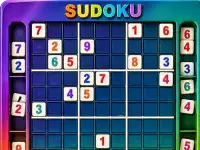
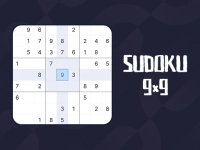














Choose a number puzzle by its rules The Sudoku collection is for players who enjoy deciding where numbers belong by comparing restrictions. In a conventional nine-by-nine Sudoku, each row, column and three-by-three box must contain the digits one through nine without repetition. The challenge comes from the overlap between those groups. A digit can be missing from a row and still be impossible in a particular square because its column or box already contains it. A useful starting point is Classic Sudoku Puzzle. Select an empty square and choose a digit…Learn moreLatest update
Choose a number puzzle by its rules
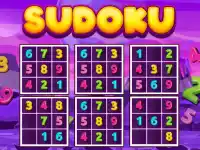
The Sudoku collection is for players who enjoy deciding where numbers belong by comparing restrictions. In a conventional nine-by-nine Sudoku, each row, column and three-by-three box must contain the digits one through nine without repetition. The challenge comes from the overlap between those groups. A digit can be missing from a row and still be impossible in a particular square because its column or box already contains it.
A useful starting point is Classic Sudoku Puzzle. Select an empty square and choose a digit to enter it. Its Mark function lets you keep temporary candidates while working through an uncertain area. Those notes help organize possibilities; they are not final answers. Before placing a full-size digit, identify the row, column or box restriction that makes the placement necessary.
Start with the information already on the grid
Find a group with only a few empty positions and list its missing digits. Compare each position with the crossing groups. If a row needs two and seven, and one of its empty positions lies in a column that already contains seven, that position must take two. The other position then takes seven. This is a complete reason for both entries, rather than a guess based on which number looks more likely.
The number of given clues alone does not explain every difference in difficulty. Their arrangement matters because it determines which deductions become available. A fairly open board may offer an obvious chain, while another board requires carefully comparing candidates. Choose a comfortable challenge and focus on understanding each placement before trying to reduce your completion time.
Use notes as a changing working list
When you add a confirmed digit, remove it from candidate notes in the same row, column and box. A note left behind after it becomes impossible can hide a simple answer. Keep temporary candidates distinct from confirmed entries so that an unfinished idea does not quietly become the foundation for several later moves. If you interrupt a solve, remember which question you were investigating, then recheck it on returning.
When several candidates survive, try changing your view of the problem. Instead of asking which digit fits one square, ask where a particular missing digit can fit within a box. There may be only one legal location even though that square still has several notes. This shift from a square to a group is often enough to restart progress without introducing speculative entries.
Compare versions before transferring a technique
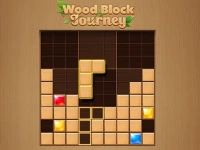
A game placed in a Sudoku collection may combine number placement with another puzzle idea. Read the opening instructions and inspect the board before assuming the standard three-by-three-box rule applies. A block placement challenge can use a different goal from completing a conventional number grid. The collection gives you related choices, while the selected game's actual rules determine which moves are valid.
Controls can differ as well. Check whether selecting a digit enters a final answer or changes a temporary mark, and learn how to correct an entry before a crowded puzzle makes that distinction difficult to see. Use a readable view of the grid, particularly on a small screen. Precise input supports the reasoning; repeated accidental taps can make it harder to distinguish a thinking error from an input mistake.
Build a reliable solving habit
For a first session, aim to explain every final entry using all three groups. In the next, practice finding a digit with only one possible home inside a box. Later, work on updating notes consistently. These are observable skills, and they provide a better starting point than assuming that a faster time always means a better solve. Puzzles vary, so compare your method as well as the result.
The Sudoku reasoning guide develops those methods with worked examples, including singles, pairs and interactions between boxes and rows. Use it when you want an explanation of why a candidate can be removed. Then return to a puzzle in this collection and apply one technique at a time. The goal is a completed grid whose entries you can justify.