Freecell Solitaire Games





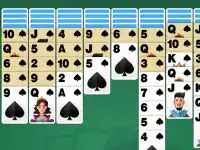























Choose a solitaire game built around working space The Freecell solitaire collection is for players who enjoy planning card transfers rather than reacting to fast action. In classic Freecell, the tableau is dealt face up, temporary cells can hold individual cards, and foundations build upward by suit. The interesting decisions concern access: how to release a useful card without leaving every temporary space occupied by blockers that have no return route. A themed example here is Wild West Freecell. It uses descending, alternating-color tableau building…Learn moreLatest update
Choose a solitaire game built around working space
The Freecell solitaire collection is for players who enjoy planning card transfers rather than reacting to fast action. In classic Freecell, the tableau is dealt face up, temporary cells can hold individual cards, and foundations build upward by suit. The interesting decisions concern access: how to release a useful card without leaving every temporary space occupied by blockers that have no return route.
A themed example here is Wild West Freecell. It uses descending, alternating-color tableau building and temporary free cells, with bonus actions associated with pistol cards. Those special actions distinguish the game from an ordinary Freecell ruleset. Read its explanation before using one, and base your plan on the actual available cells and columns rather than a layout remembered from another title.
Read the cards before spending your empty spaces
Locate the low cards needed by the foundations and identify what blocks them. Then trace a short sequence that would expose one. A card moved to a free cell is still part of the unfinished problem. Before parking it, ask where it can legally return after the useful transfer. This simple question prevents temporary storage from becoming a collection of permanent obstructions.
For example, a red seven placed in a free cell will need an available black eight on the tableau, or a later valid foundation move. If no plausible destination can be made available, the cell may remain occupied much longer than expected. Compare that cost with the benefit of the card you uncover. A legal move is not automatically an improvement in the position.
Understand sequences and available capacity
A descending alternating sequence looks orderly, but moving it may still require workspace. Many digital versions allow a group transfer as a convenience while enforcing the capacity created by free cells and empty columns. If a long run cannot be moved, consider whether its cards could be transferred legally one at a time. The available temporary destinations matter as much as the sequence itself.
An empty column can be particularly valuable because it can support rearranging more than a single card. Avoid filling one immediately without deciding what job it should perform. You might need it to move a sequence aside, release a low card and restore the previous arrangement. Rules about which cards may enter an empty column vary, so verify them in the selected game before committing the setup.
Compare classic planning with special actions
Wild West Freecell's bonus actions offer a different way to address an obstruction. Use one with a concrete purpose: identify the blocked card, what its repositioning will reveal and the next legal move that becomes available. A special action spent merely to make the board look neater may leave the important restriction unchanged. Ordinary access planning remains useful even when the rules provide an extra option.
Different solitaire versions may alter the number of temporary cells, the arrangement of the deal or the conditions for moving groups. Check those differences before judging a game by strategies learned elsewhere. Similar card artwork does not guarantee the same rules. This collection helps you find related choices, while each game's instructions define the challenge you are actually solving.
Practice a complete short plan
Try playing with the aim of restoring at least one free cell after each short reorganization. Later, focus on clearing a column without trapping several parked cards. Name the purpose of each sequence before starting it: expose a foundation card, free working space or create a movable run. Include the cleanup step in the plan so that success means a better final position rather than a single attractive move.
The Freecell planning guide explains those decisions with examples and distinguishes familiar rules from the Wild West variant. Use it when a board looks active but your options keep narrowing. Careful play means understanding what a move makes possible, while accepting that a difficult deal or an unfamiliar variation may require a different plan.