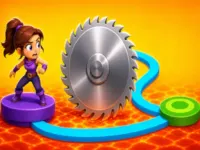
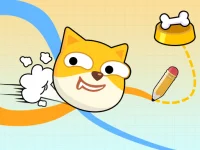
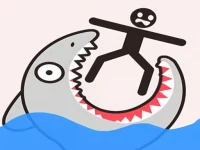

Basically, draw games are a category built around creating lines, shapes, and paths on screen to solve simple physics-based puzzles, often guiding a ball or object toward a target while avoiding obstacles and managing limited ink resources. Sometimes players must plan routes carefully before committing ink, since undo options are rare and the drawing area fills up fast. Most titles in this drawing game category rely on quick thinking and steady hands to succeed. Playing Draw games Carefully draw a path, guide the ball, avoid obstacles, collect items, and…Learn moreLatest update
Basically, draw games are a category built around creating lines, shapes, and paths on screen to solve simple physics-based puzzles, often guiding a ball or object toward a target while avoiding obstacles and managing limited ink resources. Sometimes players must plan routes carefully before committing ink, since undo options are rare and the drawing area fills up fast. Most titles in this drawing game category rely on quick thinking and steady hands to succeed.
Playing Draw games
Carefully draw a path, guide the ball, avoid obstacles, collect items, and reach the goal using a limited amount of ink.
Main Features
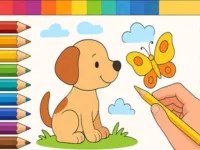
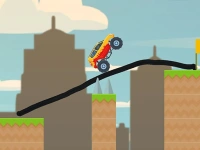
Core mechanics revolve around drawing lines with a cursor or finger, then watching physics take over as objects roll or slide along the created path. Ink limits add pressure, forcing players to plan efficient routes and reuse existing lines when possible, while simple backgrounds keep focus on the drawing canvas. Many titles feature sketch game styles with hand-drawn aesthetics, and some include paint game elements where color choices affect gameplay outcomes. Objectives typically involve moving a ball to a target, collecting items along the way, or building structures that support weight.
Survival Guide
Always start by observing the level layout before drawing, since understanding obstacle positions and target locations prevents wasted ink and failed attempts. Keep drawings simple and direct rather than overly complex, because shorter paths use less ink and leave room for corrections if the first attempt fails. Practice drawing smooth curves instead of jagged lines, as physics engines respond better to continuous paths that guide objects steadily toward their destination.
Draw Queries
Q: What controls are used? A: Cursor or finger input to draw lines directly on screen.
Q: What is the main objective? A: Guide objects to targets while avoiding obstacles.
Q: Is there an ink limit? A: Yes, ink resources are limited per attempt.
Q: What is the core mechanic? A: Drawing paths that physics-based objects follow.