Bus School Park Driver
Popular Games
Last Played
A missed pair can still be a productive turn. If you remember what the two revealed cards were and where they sat, your next choice begins with more information than the previous one. The real obstacle in a memory matching game is often repeating an uninformative move: opening familiar cards without connecting them to the locations you have already seen.
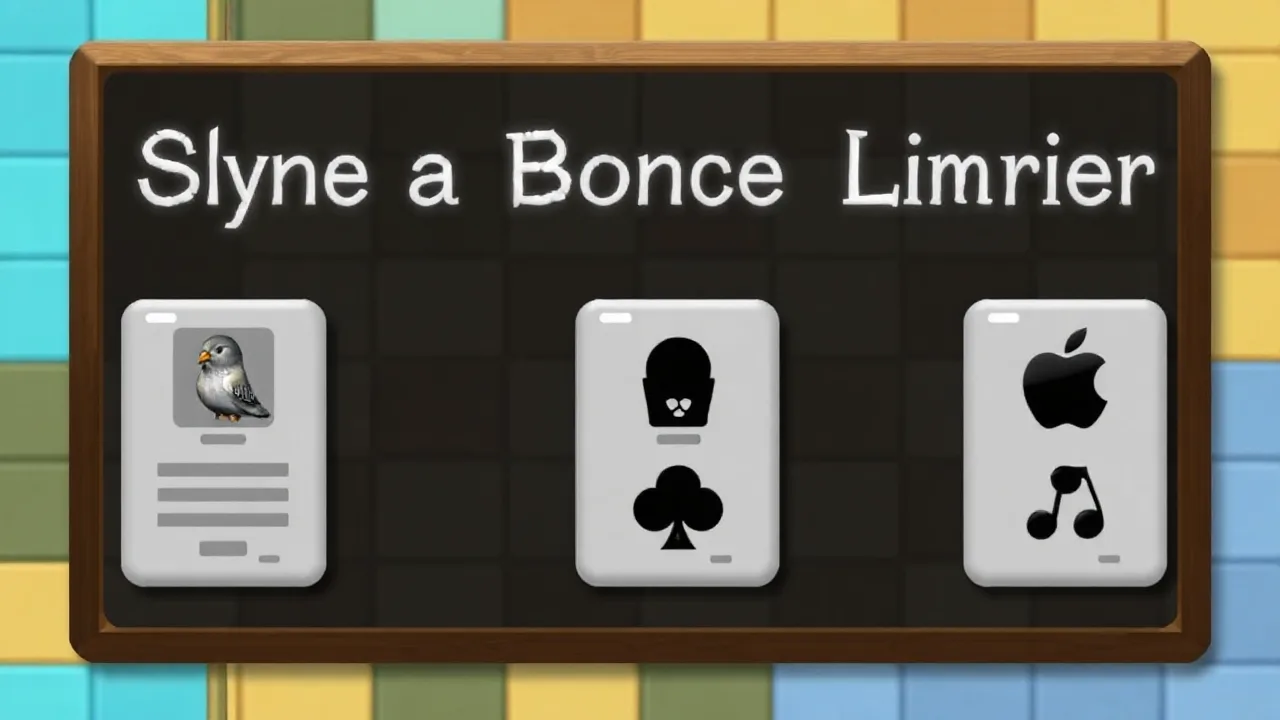
This guide uses Card Memory Match as a practical example. Select covered cards, inspect the revealed faces and connect matching pictures. Keep track of the unmatched cards while completed pairs reduce the unresolved board. The approach below is about those matching decisions; it does not depend on an assumed countdown, a particular allowance of mistakes or a promised medical benefit.
A picture is easier to retrieve when you remember its location in a consistent way. Before making many selections, notice the arrangement of the cards. You can describe a position as a row and column, such as second row, third card. On a less regular layout, use clear landmarks such as upper-left corner or the card directly beside the center.
Choose one system and keep it. Switching between vague descriptions makes similar positions blur together. You do not need to recite a full address aloud on every move, but a brief label helps when two pictures look alike or several newly revealed cards must be remembered at once. The purpose is to reduce uncertainty before the board becomes crowded with information.
When a card turns over, register both its identity and its address. Remembering only that you saw a particular symbol is incomplete; you need to know where to find it again. Likewise, remembering a location without recalling the picture does not help you choose its partner. Treat them as one small unit of information.
A useful internal description might be a distinctive shape followed by its position. If several faces share a color, describe a second feature, such as the outline or the direction of the image. Avoid lengthy stories that distract you from the next reveal. The strongest label is short enough to keep while still distinguishing that card from the others.
Suppose your first selected card matches one you clearly remember elsewhere. Select that known partner rather than using the second selection to explore an unrelated position. A certain pair reduces the amount of information still active on the board. It also protects the memory from fading while you accumulate more pictures.
Pause for a moment if you remember two plausible locations. Review which card you saw in each and whether a match has already removed one of them from consideration. A quick uncertain click can turn a useful opportunity into another mismatch. The goal is not to avoid all hesitation; it is to reserve confidence for positions you can actually identify.
If no known partner comes to mind, reveal a card you have not yet inspected. A simple sweep across one row or section makes your exploration easier to track. Random exploration is not automatically wrong, but it can make it harder to distinguish new territory from places you keep reopening without learning anything.
Use the second reveal as information even when it fails to match. Compare it with your earlier memories before mentally discarding the turn. Perhaps it belongs with a picture seen two turns ago. That connection can become a certain pair on the next opportunity. A mismatch has value when you carry its information forward.
Memory can feel more definite than it really is. You may remember that a symbol appeared near the right edge without knowing its exact row. Treat that as a region to investigate, not a guaranteed location. A clear distinction between certainty and a hunch prevents the same mistaken association from becoming stronger through repetition.
If you choose the wrong card, update the association immediately. The card you just saw now has a confirmed address, while the old assumption needs to be discarded. Continuing to think of the original position as correct can produce repeated misses. Correcting one mistaken memory is often more useful than trying to hold several additional uncertain ones.
A large arrangement can feel overwhelming when you attempt to memorize every face at once. Divide it into manageable regions. You might work across the top rows first, while still taking a known match elsewhere when it becomes available. The regions organize your attention; they should not become a rigid rule that prevents obvious progress.
Within a region, distinguish a few active unmatched pictures and their locations. As pairs are completed, let their identities leave your working list. Keeping already resolved pairs in mind uses attention that could support the remaining cards. The board becomes easier when your mental inventory reflects what is still unresolved rather than everything you have ever revealed.
Wait until the card face is clear enough to identify. Rapid extra selections during a transition can make it difficult to understand which input the game accepted. A deliberate rhythm is particularly helpful when you are learning the layout or playing on a smaller screen, where similar images occupy less space.
If a pair does not match, use the visible moment to compare the two faces and assign their locations. Then let the game finish returning them to their covered state. You gain little from clicking faster than you can process the information. Once the card identities and layout are familiar, a comfortable pace can emerge naturally.
Not all misses require the same solution. If you forgot the picture, make its label more distinctive. If you remembered the picture but chose the neighboring card, improve the location address. If you clicked a known wrong position again, slow down long enough to update the previous error. These are separate habits, and practicing one may not fix the others.
There is also a difference between an informative exploration and a repeated mistake. Selecting two unseen cards teaches you about the board. Reopening a card whose identity you already know without a matching plan may teach nothing. Review whether a selection was intended to claim a known pair or discover a new face. Either purpose is sensible when it is deliberate.
The Memory games collection provides other titles for players who enjoy remembering visual information. Before starting one, identify what must be remembered. Matching hidden pairs, reproducing a sequence and recalling positions after a preview are different tasks. A method that works well for paired cards may need adjustment for an ordered pattern.
Artwork can also change the challenge without changing the broad objective. Highly distinct pictures are easier to label than several similar symbols. A larger set increases the number of unresolved associations you may need to maintain. Choose according to the kind of attention you want to practice, rather than assuming that every game sharing the tag has identical rules.
For one session, focus only on naming locations accurately. In another, aim to use every certain match before exploring. Later, review how often you reopened a known card without a reason. These targets are easier to assess than a vague promise to remember everything better. They also show whether your main difficulty is recognition, location or selection planning.
Keep comparisons fair. A fresh arrangement can be harder than a familiar one, and different picture sets can demand different levels of discrimination. Finishing more slowly does not necessarily mean the method failed. A stronger sign is whether you can describe why a selection was made and what you learned from the result.
Should I memorize an entire row before matching? No fixed sweep is worth ignoring a certain pair. Use rows to organize new discoveries, and take matches whenever you know both locations. Otherwise, you retain unnecessary information and risk forgetting a partner while investigating the next section.
Does a mismatch mean the turn was wasted? It can still reveal two useful card identities. The waste comes from failing to store or update that information. After a mismatch, briefly connect each face to its position and check whether either has a partner you have seen before.
Will this improve every kind of memory? This is a game about a particular visual matching task. You can develop a better method for that task without assuming a guaranteed effect on health, intelligence or everyday memory. Enjoy the challenge and judge improvement by the choices you make on the actual board.
Finish by reviewing the last few unresolved positions carefully rather than rushing because the board looks almost clear. Fewer remaining cards make the information simpler, but an old mistaken association can still interfere. A useful rhythm remains the same throughout: identify the face, locate it accurately, connect known partners and use every new reveal to make the next decision more informed.