
Bus School Park Driver
 kizi.com.es
Sign in to keep recently played games, favorites and your player profile available on this site.
Popular Games
Last Played
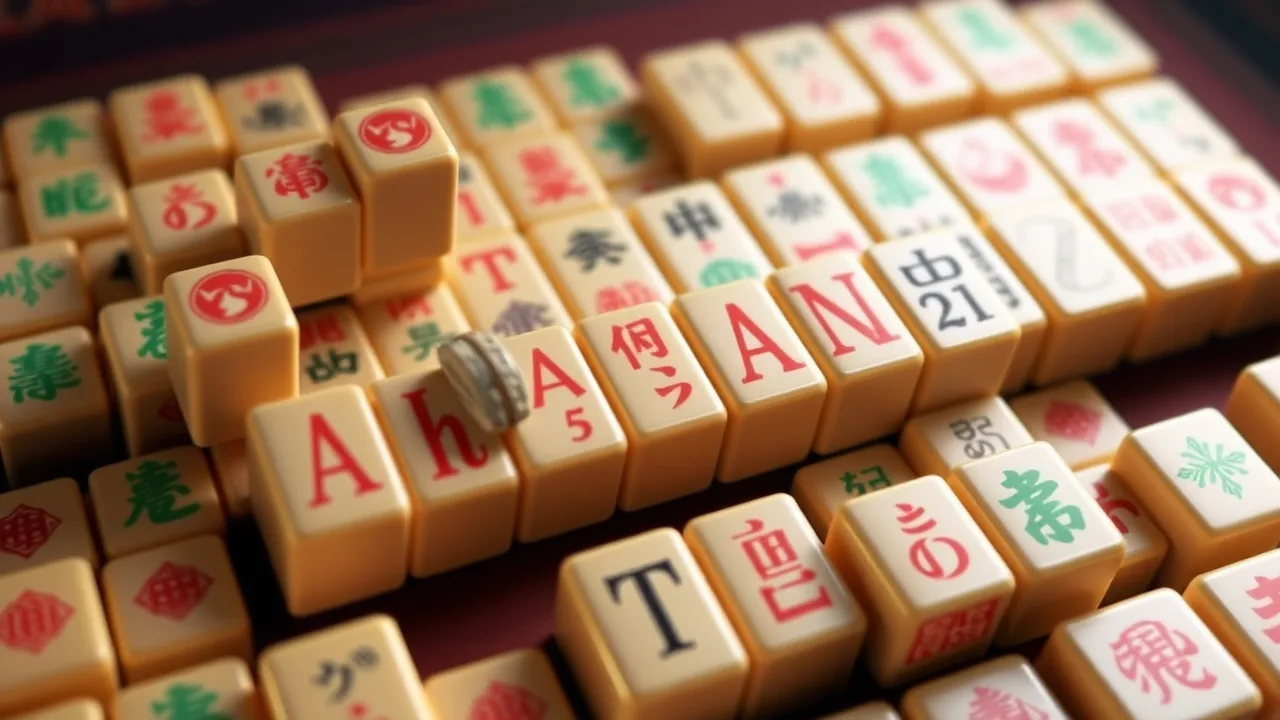
Mahjong is a classic tile-based puzzle game that has captivated players for generations with its blend of strategy, pattern recognition, and a touch of luck. Whether you are a seasoned enthusiast or new to the game, mastering its core mechanics is the key to unlocking countless hours of engaging and mentally stimulating fun. This guide will walk you through everything you need to know to start playing and improving your skills right away.
The primary goal in a standard Mahjong solitaire game is to clear the entire board by matching identical, free tiles. A tile is considered "free" if it is not covered by another tile and has at least one of its long sides (left or right) completely unobstructed. You cannot pick up a tile that is blocked on both sides, even if its top is clear. The game ends when you successfully remove all tiles from the layout or when no more valid moves remain.
A standard Mahjong set contains 144 tiles, though digital versions may use a subset. The tiles are divided into several categories. The three main suits are Dots (circles), Bamboo (sticks), and Characters (symbols with a number). Each suit has tiles numbered from one to nine, with four copies of each tile. Understanding these suits is fundamental to recognizing matching pairs quickly.
Beyond the numbered suits, you will encounter special tiles that add strategic depth. Wind tiles represent the four cardinal directions (East, South, West, North), and Dragon tiles come in three types (Red, Green, and White). These tiles must be matched with their identical counterparts. Some variations also include Flower and Season tiles, which are unique and can often be matched with any other tile in their respective category.
Success in Mahjong is not just about finding any match; it is about planning ahead. A good strategy involves clearing tiles from the top layers first to expose more options underneath. Pay close attention to the edges of the layout, as freeing tiles on the sides can prevent you from getting stuck later. It is often wise to prioritize matches that will unblock the most tiles or open up new sections of the board.
In many digital versions, a "tile pool" or "card" shows the next available tiles you can draw if no matches are on the board. Managing this pool is crucial. Before drawing a new tile, exhaust all possible matches on the current layout. Drawing a tile you cannot immediately use can fill up your hand and limit your options, making the game more difficult. Think of the tile pool as a last resort, not a first option.
Experienced players learn to spot common layout patterns and blocking configurations. For example, a tile stacked directly on top of another is the most common blocker. Tiles arranged in a pyramid or staircase formation require careful sequencing to avoid leaving isolated tiles at the bottom. Training your eyes to see these structural relationships will significantly speed up your gameplay and decision-making.
| Feature | Details |
|---|---|
| Gameplay Style | Tile-matching puzzle with strategic planning |
| Primary Controls | Point-and-click or tap to select matching tiles |
| Session Pace | Relaxed and thoughtful, with no time pressure in classic mode |
| Device Fit | Perfect for desktop, tablet, and mobile play sessions |
| Category Match | Ideal for fans of logic puzzles and pattern-based challenges |
| Skill Emphasis | Pattern recognition, forward planning, and spatial awareness |
Is Mahjong a game of skill or luck? While the initial tile layout is random, the game is overwhelmingly about skill. Your ability to plan several moves ahead, recognize patterns, and manage the available tiles determines your success far more than the shuffle.
Can I play Mahjong on my mobile device? Absolutely. Mahjong is designed to be fully responsive and works seamlessly on smartphones, tablets, and computers. The point-and-click or tap controls are intuitive on any touchscreen.
What does it mean when I have no moves left? If no tiles on the board are free and matchable, and you cannot draw from the pool, the game is over. This usually means the strategy used earlier in the game created an unsolvable block. Learning from these situations is part of mastering the game.
How long does a typical game last? A single game can take anywhere from 10 to 30 minutes, depending on the layout's complexity and your skill level. The game's relaxing nature makes it easy to play one more round.
Are there different versions of Mahjong? Yes, there are many variations. The tile-matching solitaire version described here is the most popular digital format. Other versions are traditional four-player games with different rules, but the core matching mechanic remains a fun foundation.


