 kizi.com.es
Room Games



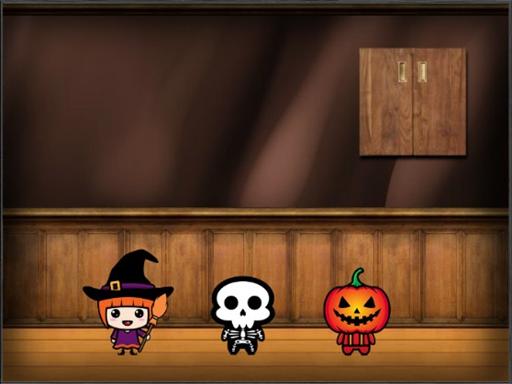
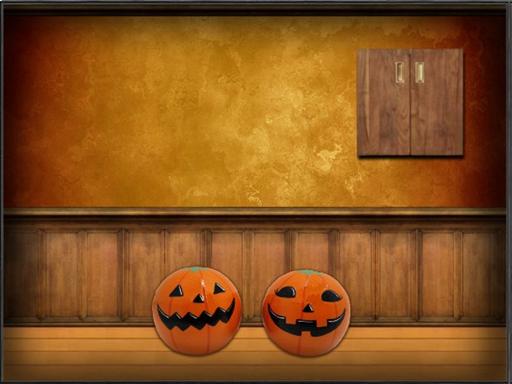

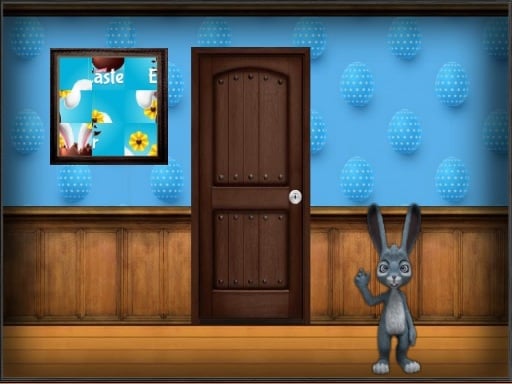


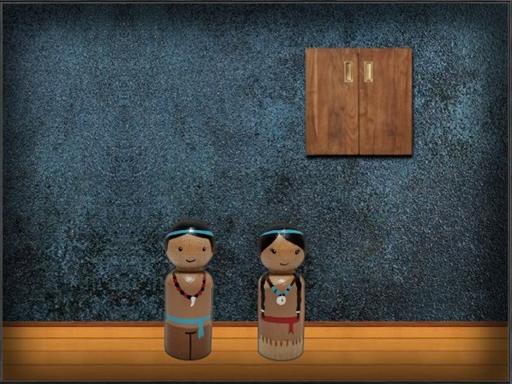

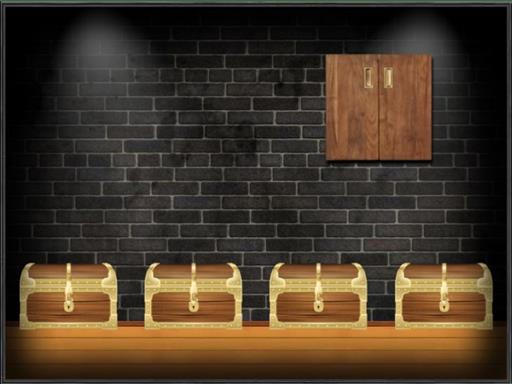
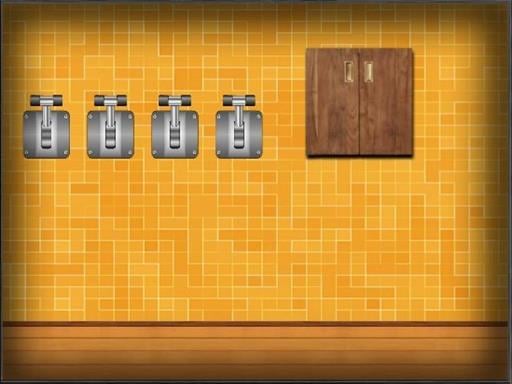
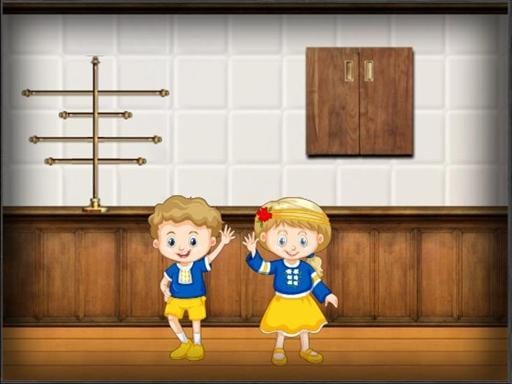

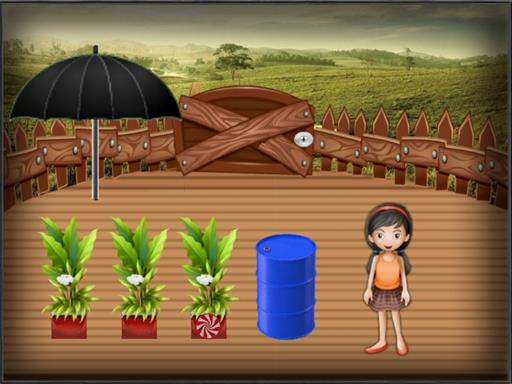
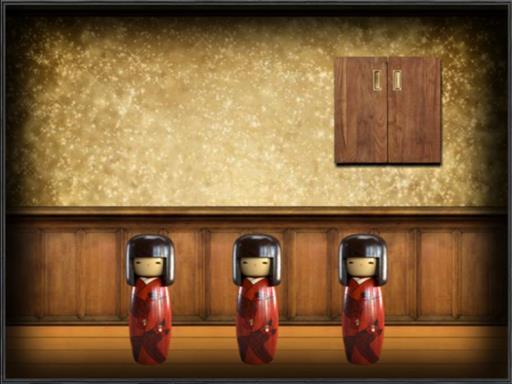
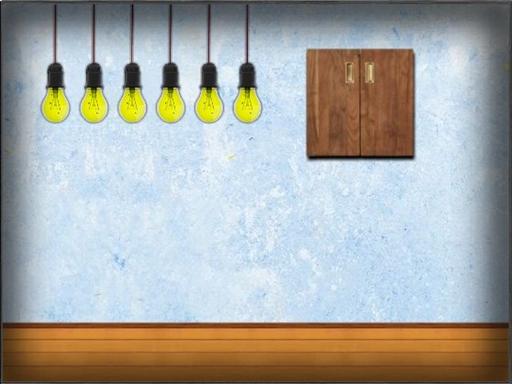

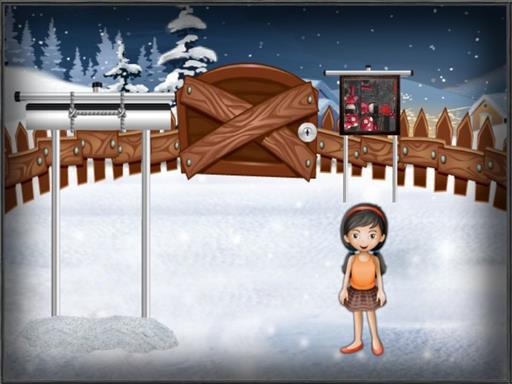

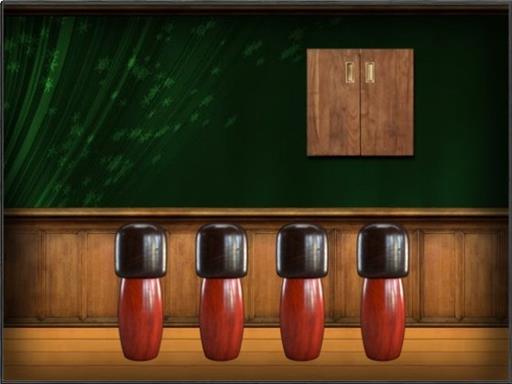
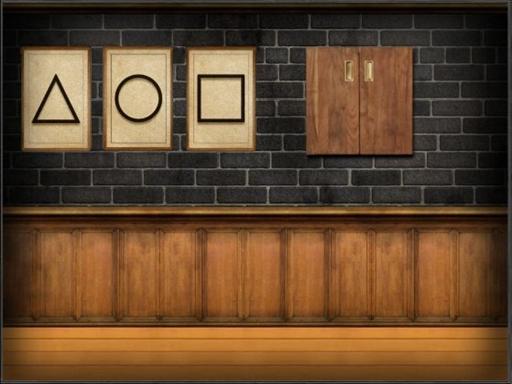
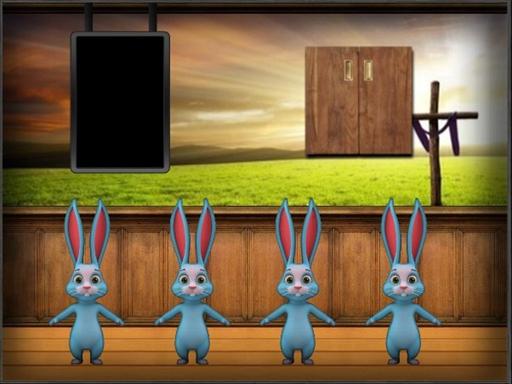
Basically room games involve navigating enclosed spaces where the player interacts with objects to solve tasks or find a way out. The core loop focuses on observation and interaction within a limited environment. Players typically click or tap to examine items and combine them to progress through the room escape games. Playing Room games Carefully observe the environment, click to inspect objects, select items from inventory to use on others, and solve puzzles to unlock doors, this is how to play these hidden object games. Main Features These games…Learn moreLatest update
Basically room games involve navigating enclosed spaces where the player interacts with objects to solve tasks or find a way out. The core loop focuses on observation and interaction within a limited environment. Players typically click or tap to examine items and combine them to progress through the room escape games.
Playing Room games
Carefully observe the environment, click to inspect objects, select items from inventory to use on others, and solve puzzles to unlock doors, this is how to play these hidden object games.
Main Features
These games usually present a static viewpoint where the player scans a fixed scene for interactive elements. Common mechanics involve picking up items, using them in the correct context, and triggering simple environmental changes. The primary objective is often to locate a key or tool needed to open an exit, relying on point and click games. Success depends on logical deduction and managing a limited inventory of found objects to overcome obstacles.
Survival Guide
Players should examine every part of the screen methodically, as clues are often hidden in plain sight. When stuck, revisit previous areas with new items, this is a standard approach in puzzle adventure games. Always keep track of what items have been collected and where they might logically fit to avoid backtracking unnecessarily.
Room Queries
Q: What are the typical controls for room games? A: They often use point and click or tap mechanics to interact with objects.
Q: What is the main objective? A: The goal is usually to find an exit or solve a central mystery.
Q: Is there a stated story? A: Not stated, but many have a theme of being trapped.
Q: What is the core mechanic? A: The core mechanic is inventory-based puzzle solving.