Bus School Park Driver
Popular Games
Last Played
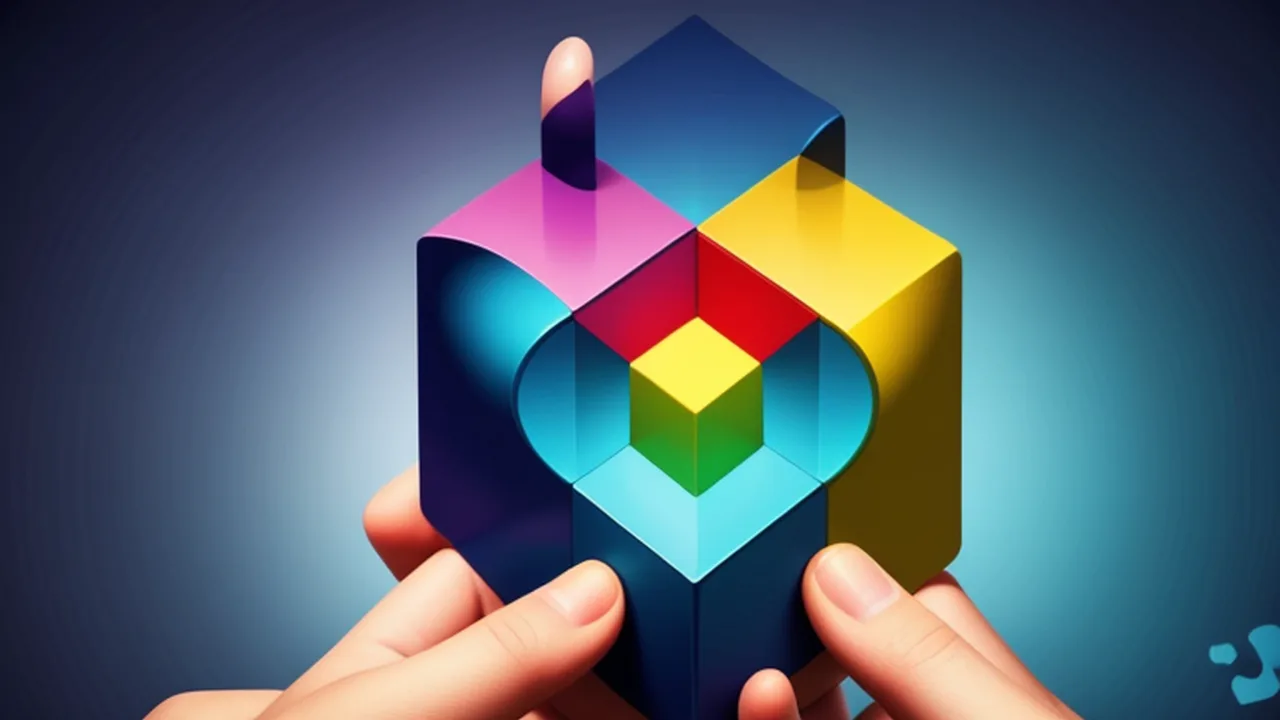
Touch is a focused puzzle experience built around a simple premise: interact, react, and solve. It strips away complicated controls and long tutorials so you can jump straight into the challenge, which is exactly why it fits so neatly into any session of free online games you open during a break.
The appeal of Touch comes from how little it asks of you before it starts testing your brain. There is no sprawling menu to navigate and no steep learning curve to climb. You are in the puzzle within seconds, and the difficulty curve does the rest of the work. That clarity is rare in the puzzle category, where games often bury their best ideas under layers of setup.
Every round is short and self-contained, so you can play one, three, or ten without ever feeling like you have committed to something long. The structure rewards attention rather than reflexes, which gives it a calm, deliberate rhythm that is easy to settle into.
Touch keeps its control scheme deliberately narrow. You interact with the puzzle surface directly, and every action you take has a visible consequence. There is no inventory to manage, no skill tree to unlock, and no hidden system to learn. What you see is what you are working with.
That directness means the challenge comes from the puzzle itself rather than from remembering how to play. Once you understand the interaction, you can focus entirely on the logic in front of you. It is a design choice that respects your time and keeps the mental load where it belongs.
One of the strongest qualities of Touch is its session pacing. Each puzzle is sized to be resolved in a single sitting, so there is no pressure to save progress or return later. You can pick it up on a phone during a commute or open it in a browser between tasks and still finish something meaningful.
That short format also makes the game easy to revisit. Because no single round demands a long commitment, you are more likely to try again after a miss. The result is a loop of quick attempts that keeps you engaged without wearing you out.
Touch does not hand you easy wins forever. The early puzzles ease you in, but the difficulty rises steadily once the basics are second nature. New wrinkles appear in the logic, and the solutions that worked a few rounds ago stop being enough.
That progression is what keeps the game interesting over time. You are always slightly outside your comfort zone, which is where puzzle games do their best work. The challenge feels fair because the rules stay consistent even as the puzzles get harder.
The interaction model in Touch translates well across devices. On a phone, the direct touch input feels natural and responsive. On a desktop, the same actions map cleanly to a mouse, so nothing feels compromised when you switch screens.
That flexibility matters if you like to move between devices during the day. You can start a session on one screen and continue on another without relearning anything. It is a small detail, but it makes the game much easier to keep in your rotation.
Touch works well as a palate cleanser between heavier games or as a standalone habit when you want something low-pressure. It belongs naturally in a browser games lineup because it loads fast, runs smoothly, and does not demand a long session to feel complete.
If you keep a game library bookmarked for quick breaks, this is the kind of entry you return to often. It asks for a few minutes and gives you a genuine mental workout in return, which is a trade most people are happy to make.
Replay value in Touch comes from the satisfaction of solving rather than from unlocks or scores. Each completed puzzle is its own reward, and the desire to see what comes next is usually enough to pull you into one more round.
Because the game stays focused on its core idea, it never dilutes itself with features that do not serve the puzzles. That discipline is why it holds up over repeated play sessions instead of feeling like a one-time novelty.
| Feature | Details |
|---|---|
| Gameplay style | Logic-based puzzles with direct interaction |
| Controls | Touch or click input, no complex bindings |
| Session pace | Short rounds suited to quick breaks |
| Device fit | Works on phone and desktop screens |
| Category match | Puzzle fans who prefer calm, focused challenges |
Is Touch easy to pick up?
Yes. The controls are minimal, and the first puzzles introduce the mechanics gradually so you are never guessing what to do.
How long does a typical round take?
Most puzzles are designed to be finished in a short sitting, which makes the game a good fit for quick breaks during the day.
Does it work on mobile?
The direct interaction model is built for touch input, so it plays naturally on phones as well as on desktop with a mouse.
Do I need to create an account?
You can jump straight into the puzzles without any setup, which keeps the barrier to entry as low as possible.
Is it suitable for casual players?
Absolutely. The difficulty rises at a steady pace, so casual players can enjoy the early rounds while more experienced puzzlers still find a real challenge further in.