Bus School Park Driver
 kizi.com.es
Sign in to keep recently played games, favorites and your player profile available on this site.
Popular Games
Last Played
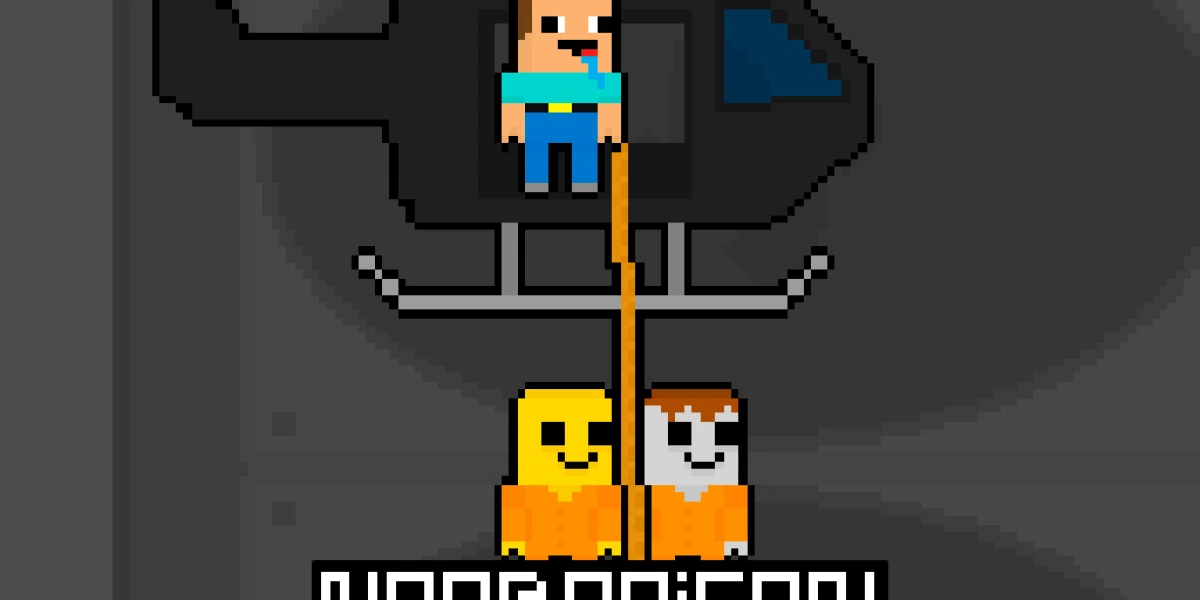
Welcome to a focused guide on the Obby arcade experience, designed to help you improve your skills and enjoy every challenge. This page covers practical tactics, control tips, and mindset habits that make obstacle courses more approachable while keeping the fun front and center.
Jump into the vibrant world of arcade challenges where precision and speed collide, and discover why the Obby category delivers such addictive replay value for players seeking quick, skill-based fun that keeps them coming back for more.
Obby games center on a clear loop: observe, plan, move, and adjust. Each course presents platforms, gaps, moving elements, and tricky jumps that test timing and positioning. Start by scanning the entire section before you leap. Look for safe ledges, rotating hazards, and safe pockets where you can pause to plan the next step. When you reach a new checkpoint, take a moment to reset your focus and steady your hands. The loop rewards patience, so treat every attempt as a learning pass rather than a race. As you gain confidence, you can push the pace, but only after you have a mental map of the hazards ahead.
Smooth control is the foundation of reliable performance. If you play on a keyboard, keep your fingers light and responsive rather than mashing keys. On touch devices, use small, precise taps and avoid large swipes that can overshoot platforms. Maintain a neutral posture, keep your wrists relaxed, and set a comfortable mouse or touch sensitivity. Practice micro-adjustments on safe sections, such as stepping forward a single pixel or feathering a jump to land on a narrow edge. These small habits create muscle memory, and that memory pays off when the course demands tight landings and quick corrections.
Most courses use repeating patterns, even when they look chaotic. Watch for platforms that bob, rotate, or fade on a cycle. Count the beats, note the rhythm, and time your moves to the pattern rather than rushing. When a section feels unpredictable, slow down and observe two or three full cycles before you commit. If a platform moves quickly, aim for the middle of its path to maximize stability. For disappearing tiles, target the leading edge as it reappears. By learning to read and ride the rhythm, you turn chaos into a predictable path.
Every obstacle course offers multiple routes, even when it seems linear. Look for alternate platforms that may be slower but safer, especially during a learning run. Prioritize landings that give you a stable stand, not edges that force immediate jumps. Use corners and walls to guide your momentum, and consider short pauses to reset alignment before a tricky gap. When you fall, note the cause and adjust the route. Over time, you will assemble a mental blueprint of the safest and most efficient path through each section.
Frustration can derail progress faster than any hazard. Build a routine that keeps you calm and present. Take short breaks after repeated failures, breathe steadily, and reset your posture. Celebrate small wins, such as reaching a new checkpoint or nailing a difficult jump. If you feel rushed, slow down your inputs and re-center your attention on the next single move. A calm mind sees details, and details lead to success. Keep your sessions balanced, and you will maintain energy and motivation over longer practice periods.
Start each session with a warm-up on a familiar section. Spend a few minutes practicing jumps, landings, and directional control on easy platforms. Then tackle one new challenge at a time. Set a clear goal for the session, such as mastering a specific jump or reaching a particular checkpoint. Track your progress mentally or with simple notes. When you clear a goal, move to the next, but do not skip the fundamentals. Consistent practice builds confidence and turns tough sections into routine wins.
| Feature | Details |
|---|---|
| Gameplay style | Arcade obstacle course with platforming challenges |
| Controls | Keyboard movement and jumping or touch input for mobile play |
| Session pace | Short, repeatable runs focused on checkpoints and mastery |
| Device fit | Works well on desktop and mobile browsers |
| Category match | Obby arcade games emphasize timing and precision |
What is the best way to start a new course?
Walk through the first section slowly, observe every hazard, and plan your route before you jump.
How do I improve my jump timing?
Practice on a consistent section, count the rhythm of moving platforms, and aim for the middle of their paths.
Should I rush to the finish?
Rushing can lead to mistakes. Build speed only after you have a reliable route and confident control.
Can I play on mobile?
Yes, the experience is friendly on mobile browsers with touch controls. Adjust sensitivity for precise inputs.
What if I keep failing at the same spot?
Break the section into smaller steps, practice each step, and then combine them with a calm, steady rhythm.
Ready to put these strategies into action? Jump in and play now at Obby and start mastering your next obstacle course today.