Bus School Park Driver
Popular Games
Last Played
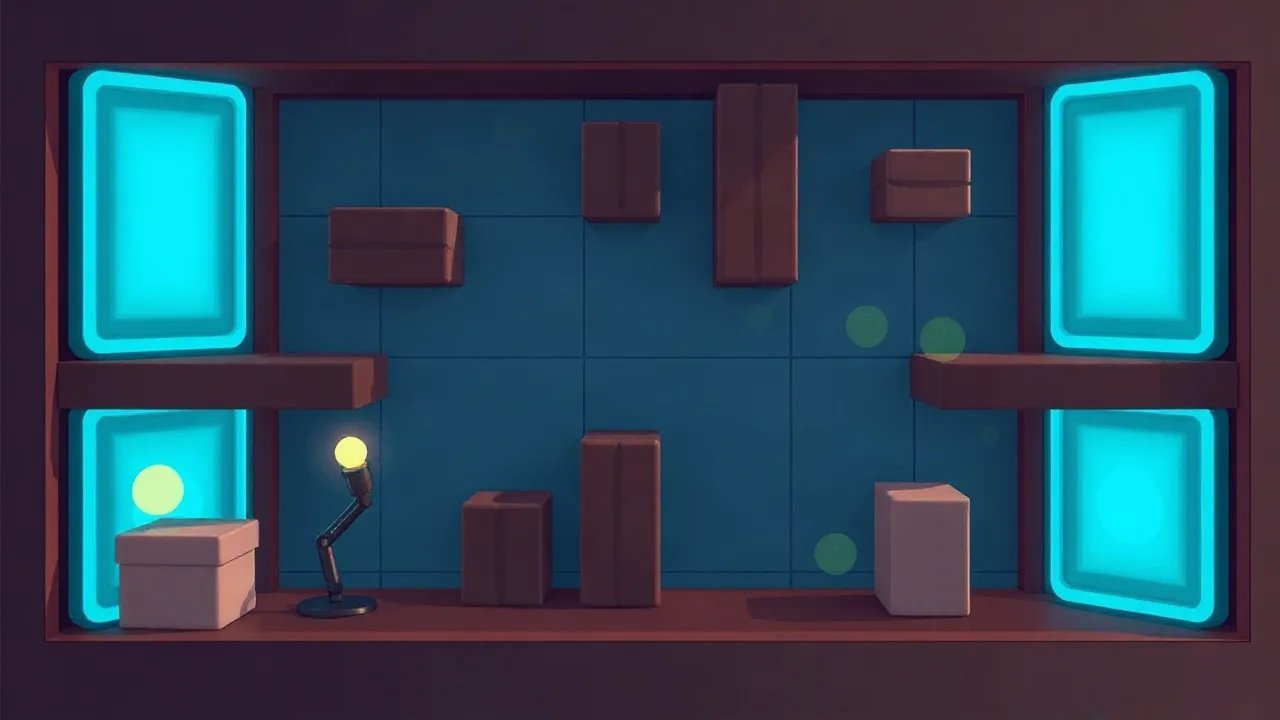
Touch is a puzzle game built around simple interactions and clear goals, where every tap and swipe carries weight. This page gathers everything you need to understand how it plays, what makes it satisfying, and how to get better at it.
The heart of Touch is its interaction model. You respond to what the game puts in front of you with direct input, and the puzzles reward observation and timing over brute force. Each level tends to introduce a small twist on the base mechanic, so you are always working with familiar tools in unfamiliar arrangements. The result is a loop that stays engaging without becoming overwhelming.
Because the controls stay consistent, you spend your attention on solving rather than learning new inputs. That consistency is what lets the difficulty ramp up smoothly across a session.
Good puzzle games teach without a tutorial, and Touch leans into that principle. Early levels establish the rules through play, and later levels test whether you internalized them. You will notice that solutions often come from rethinking your approach rather than executing faster.
The category fit is strong if you enjoy games where a single correct move unlocks the whole board. There is a quiet satisfaction in the moment a difficult arrangement clicks into place.
Touch works well in short bursts. You can pick it up, clear a few challenges, and put it down without losing momentum. That makes it a natural fit for a quick break or a longer stretch when you want to settle into a rhythm.
The pacing also means you rarely feel stuck for long. If a level resists you, stepping away and returning often leads to a fresh perspective that solves it quickly.
Input in Touch is straightforward: tap, hold, or swipe depending on what the current challenge asks for. The responsiveness of those actions matters, and the game keeps feedback immediate so you always know whether your input registered.
That clarity removes a layer of frustration common in puzzle titles. You focus on the puzzle itself rather than wondering if the game heard you.
Playing Touch sharpens a few specific skills. Pattern recognition gets sharper as you learn to spot recurring structures. Spatial reasoning improves when you start predicting how a move will ripple across the board. And patience becomes a real asset, since rushing rarely produces the best outcome.
Over time you will find yourself reading a level faster and committing to a solution with more confidence. That growth is one of the quiet rewards of the genre.
Every puzzle player hits a wall now and then. When that happens in Touch, try changing your starting point. Many levels have more than one entry angle, and beginning from a different spot can reveal a path you overlooked.
Another useful habit is to slow down and trace the full consequence of a move before making it. Visualization saves attempts and builds a clearer picture of how the pieces interact.
If you keep a set of go-to games for mental breaks, Touch earns a spot through its low barrier and high clarity. It asks for focus without demanding a long commitment, which is a balance a lot of puzzle games struggle to hit.
It also pairs well with other entries in a game library. Dropping into a puzzle session between other activities keeps your problem-solving instincts warm throughout the day.
| Feature | Details |
|---|---|
| Gameplay style | Puzzle-solving built around direct touch input |
| Controls | Tap, hold, and swipe interactions |
| Session pace | Short bursts or extended play, both supported |
| Device fit | Well suited to touch-first screens |
| Category match | Puzzles, pattern recognition, and spatial reasoning |
Is Touch easy to pick up?
Yes. The controls are simple from the first level, and the game introduces its ideas gradually so you are never thrown in without context.
How long does a typical session last?
You can play for a few minutes or settle in for a longer run. The structure supports both quick checks and deeper play.
What skills does it reward?
Observation, pattern spotting, and careful planning matter most. Speed helps less than reading the board correctly.
Can I play it alongside other games?
Absolutely. It works well as a palate cleanser between more intense sessions, and it sits comfortably alongside other browser-based games in a rotation.
Does it get harder over time?
Difficulty builds steadily as new twists are layered onto familiar mechanics, so the challenge stays fresh without becoming unfair.