
Bus School Park Driver
 kizi.com.es
Sign in to keep recently played games, favorites and your player profile available on this site.
Popular Games
Last Played
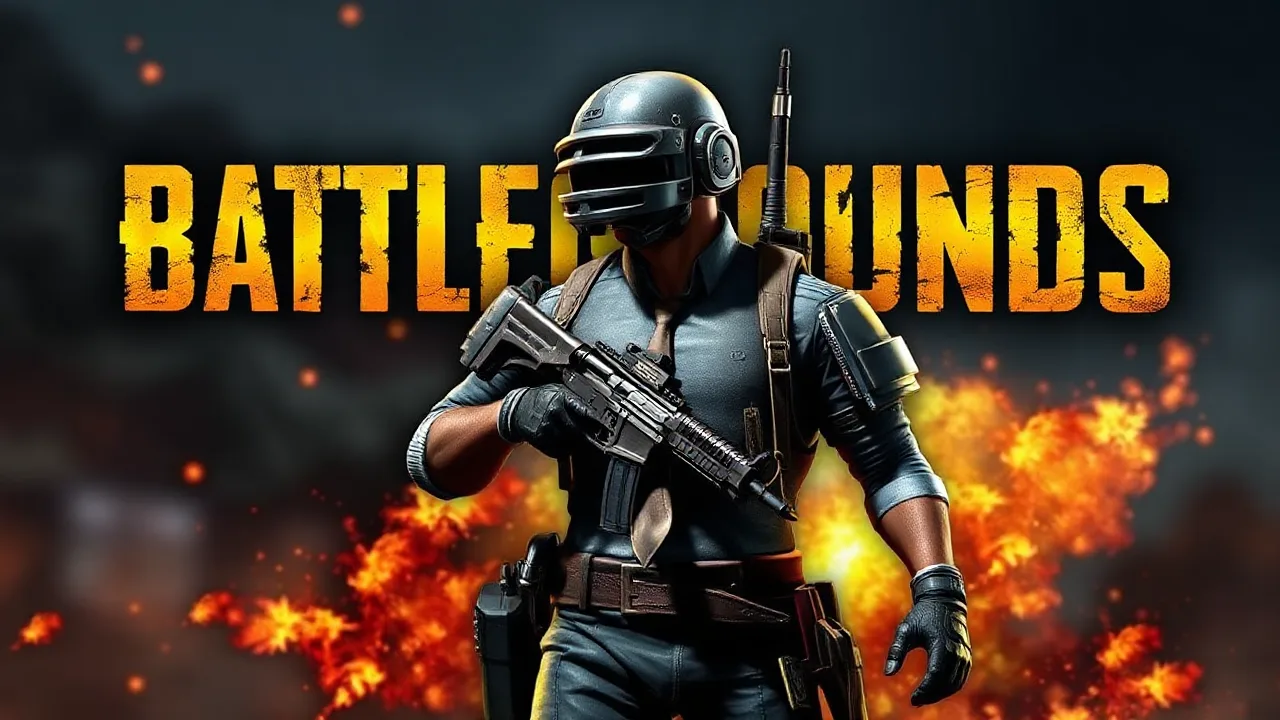
Welcome to the ultimate guide for Battlegrounds, the intense shooting game that puts your reflexes and strategy to the ultimate test. Whether you are a seasoned veteran looking to refine your tactics or a newcomer ready to drop into the chaos, this resource is designed to help you dominate the competition. We will break down the mechanics, discuss essential survival strategies, and provide the insights you need to secure that final victory in the arena.
Battlegrounds is a fast-paced shooter that demands a mix of precision aiming and situational awareness. The core loop involves navigating a hostile environment, scavenging for resources, and engaging in high-stakes firefights. Unlike slower-paced tactical shooters, this game requires you to be constantly on the move. The shrinking play area forces players closer together, ensuring that the action never stagnates. Mastering the controls and understanding the physics of the game are the first steps toward survival. You need to get comfortable with movement mechanics like strafing and jumping to make yourself a harder target while maintaining your own accuracy.
Success in Battlegrounds is rarely just about who shoots first; it is often about who has the better position. High ground is your best friend, offering a clear line of sight over the battlefield while making it difficult for enemies to hit you. Always be aware of the play zone and plan your rotation early. Getting caught outside the safe zone while under fire is a common way to lose a match. Use the terrain to your advantage, moving from cover to cover rather than running in the open. Listening to audio cues, such as footsteps and gunfire, can help you pinpoint enemy locations before they even see you.
The weapon variety in Battlegrounds is vast, ranging from rapid-fire submachine guns for close-quarters combat to powerful sniper rifles for long-range engagements. A balanced loadout is essential; carrying a versatile assault rifle alongside a close-range weapon or a sniper rifle allows you to adapt to any situation. Do not neglect your attachments, as scopes, grips, and extended magazines can significantly improve weapon performance. Recoil control is a skill that takes time to master, so spend time learning the spray patterns of your favorite guns to ensure your bullets land where you intend.
Standing still is a death sentence in this arena. To survive, you must master advanced movement techniques. Slide-canceling and zig-zagging can throw off an opponent's aim, giving you a crucial split second to return fire. When engaging an enemy, never peek from the same angle twice. unpredictable movement makes you a nightmare to track. Additionally, use smoke grenades and flashbangs not just for offense, but to create visual cover that allows you to reposition safely or revive a teammate under pressure.
Looting is the foundation of your survival, but doing it efficiently is an art form. You do not need to pick up everything you see; cluttering your inventory with unnecessary items slows you down. Focus on high-value loot: medical supplies, ammunition for your specific weapons, and protective gear like helmets and vests. Learn the loot tiers so you know when to swap out damaged armor immediately. In the early game, prioritize finding a weapon and basic healing. In the late game, utility items like grenades become more valuable than extra ammo.
The final moments of a match are where the pressure peaks. The play area is tiny, and every remaining player is skilled. This is where patience often outweighs aggression. Let other players engage each other while you hold a strong defensive position. The "third-party" strategy—attacking two enemies who are already fighting—is highly effective but risky. Stay calm, manage your adrenaline, and trust your preparation. Often, the player who remains calm under pressure is the one who walks away with the victory.
Technical performance plays a huge role in competitive shooters. To get the edge, ensure your game settings are optimized for performance over visuals. High frame rates are more important than high resolution in a competitive setting. Adjust your mouse sensitivity or controller dead zones to find a sweet spot that allows for both fast turns and precise micro-adjustments. Customizing your HUD (Heads-Up Display) to show essential information without cluttering the screen can also improve your reaction time during chaotic firefights.
| Feature | Details |
|---|---|
| Gameplay Style | Fast-paced Battle Royale / Tactical Shooter |
| Primary Objective | Survive against other players to be the last one standing |
| Session Pace | High intensity with bursts of tactical planning |
| Key Skills | Accuracy, Map Awareness, Resource Management |
| Device Fit | Best suited for devices with precise input controls |
| Category Match | Shooting Games / Action / Strategy |
What is the best way to improve my aim in Battlegrounds?
Improving aim requires consistent practice. Start by lowering your sensitivity slightly to gain better control, then practice tracking moving targets. Focus on crosshair placement—keep your crosshair at head level where enemies are likely to appear—rather than looking at the ground. This reduces the distance you need to move your mouse or stick when a target appears.
How important is sound in this game?
Sound is absolutely critical. You can often hear an enemy approaching before you see them. Footsteps, reloading sounds, and weapon fire provide valuable intelligence about enemy positions and numbers. Using a good pair of headphones can give you a significant advantage over players using standard speakers.
Should I engage every enemy I see?
Not necessarily. Engaging an enemy reveals your position to everyone nearby. If you are not confident in securing a quick kill, or if you are in a poor position, it is often smarter to hold your fire and let them pass. Conservation of ammo and maintaining the element of surprise are key to reaching the end game.


